Biography
Trafficker is a supporting antagonist in Gachiakuta whose entire existence revolves around control, exploitation, and survival within a broken system. He is not the kind of villain who relies on brute strength or loud intimidation; instead, he operates quietly, with a calculated and deliberate mindset that makes him far more dangerous. Every action he takes is measured, every interaction transactional. To him, people are not individuals with value or dignity, but assets to be used, traded, or discarded depending on what benefits him most.
His demeanor reflects someone who has been shaped by prolonged exposure to cruelty. There is a constant sense of tension in his presence, as though he is always assessing, always calculating the next move. The worn look on his face and the restraint-like apparatus around his neck suggest a past marked by control or suffering, hinting that he may not have always been the one holding power. That possibility adds depth to his character, because it implies that his current behavior is not random—it is learned. In a world where exploitation is normalized, Trafficker has adapted by embracing it completely.
This background helps explain his complete lack of empathy and his inability to form genuine connections. Trust, to him, is meaningless unless it can be leveraged. He does not cooperate unless there is clear benefit, and even then, any alliance is temporary. The moment someone stops being useful, they cease to matter. This mindset is most clearly seen in his relationship with Amo, where his behavior crosses into outright abuse. He exerts control without hesitation, treating Amo as something owned rather than someone with agency. His actions toward Amo are not impulsive cruelty, but an extension of his worldview: dominance is security, and vulnerability is something to exploit before it can be used against him.
Despite this, Trafficker is not portrayed as chaotic or irrational. His intelligence and technical skill are what define him. He understands systems—how they function, where they break, and how to profit from those fractures. He doesn’t need to be the strongest or fastest because he positions himself in ways that make direct confrontation unnecessary. He manipulates outcomes from behind the scenes, ensuring that by the time conflict arises, he has already secured the advantage.
In the broader narrative, Trafficker represents the ugliest side of the world he inhabits. He is not just an individual antagonist but a reflection of a system that rewards exploitation and strips people of their humanity. If he was once a victim of that system, he has long since abandoned any resistance to it, choosing instead to thrive within it. That choice makes him particularly unsettling, because he is not driven by madness or revenge, but by a cold acceptance of how the world works—and a willingness to become part of the problem to ensure his own survival.
Powers & Abilities
Trafficker is a supporting antagonist in Gachiakuta whose entire existence revolves around control, exploitation, and survival within a broken system. He is not the kind of villain who relies on brute strength or loud intimidation; instead, he operates quietly, with a calculated and deliberate mindset that makes him far more dangerous. Every action he takes is measured, every interaction transactional. To him, people are not individuals with value or dignity, but assets to be used, traded, or discarded depending on what benefits him most.
His demeanor reflects someone who has been shaped by prolonged exposure to cruelty. There is a constant sense of tension in his presence, as though he is always assessing, always calculating the next move. The worn look on his face and the restraint-like apparatus around his neck suggest a past marked by control or suffering, hinting that he may not have always been the one holding power. That possibility adds depth to his character, because it implies that his current behavior is not random—it is learned. In a world where exploitation is normalized, Trafficker has adapted by embracing it completely.
This background helps explain his complete lack of empathy and his inability to form genuine connections. Trust, to him, is meaningless unless it can be leveraged. He does not cooperate unless there is clear benefit, and even then, any alliance is temporary. The moment someone stops being useful, they cease to matter. This mindset is most clearly seen in his relationship with Amo, where his behavior crosses into outright abuse. He exerts control without hesitation, treating Amo as something owned rather than someone with agency. His actions toward Amo are not impulsive cruelty, but an extension of his worldview: dominance is security, and vulnerability is something to exploit before it can be used against him.
Despite this, Trafficker is not portrayed as chaotic or irrational. His intelligence and technical skill are what define him. He understands systems—how they function, where they break, and how to profit from those fractures. He doesn’t need to be the strongest or fastest because he positions himself in ways that make direct confrontation unnecessary. He manipulates outcomes from behind the scenes, ensuring that by the time conflict arises, he has already secured the advantage.
In the broader narrative, Trafficker represents the ugliest side of the world he inhabits. He is not just an individual antagonist but a reflection of a system that rewards exploitation and strips people of their humanity. If he was once a victim of that system, he has long since abandoned any resistance to it, choosing instead to thrive within it. That choice makes him particularly unsettling, because he is not driven by madness or revenge, but by a cold acceptance of how the world works—and a willingness to become part of the problem to ensure his own survival.
Anime and Manga Appearances
Voice Actors
Japanese Voice Actors
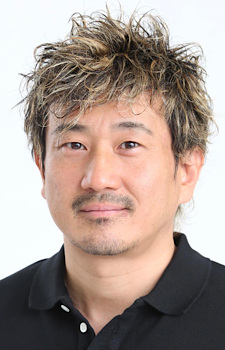
Kiuchi, Hidenobu
🇯🇵 Japanese
English Voice Actors

Foronda, Jim
🇺🇸 English